
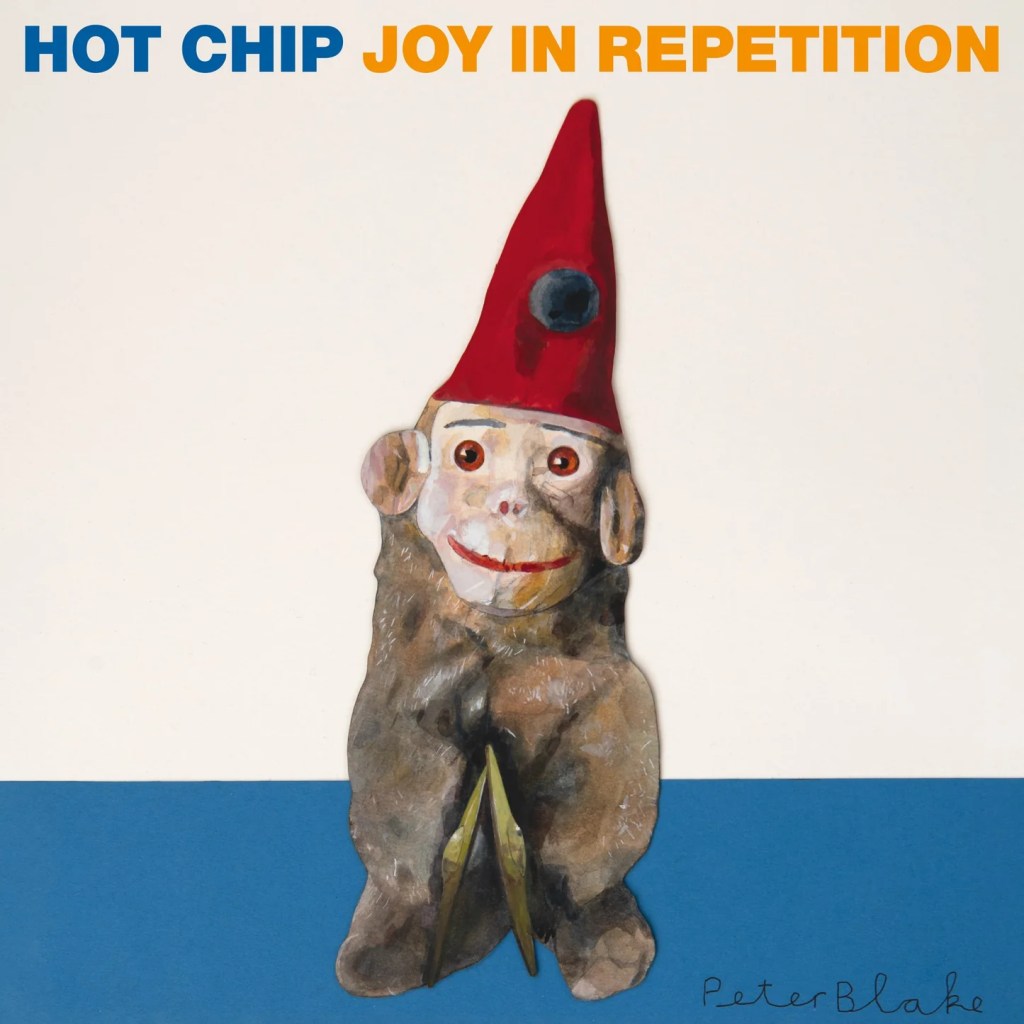
1. Record
This year has started out with an absolute bang. On New Year’s night I discovered, quite by accident, my new favourite band. It’s rather annoying because the more I looked into them I found they played Glastonbury and are well connected with the alternative scene in the UK, which I thought I knew a bit (Jarvis Cocker, Peter Serafinowicz to name a few). Alas, I don’t know how this band stayed hidden from me for so many years but at least I found them out. And I have listened the hell out of them: Hot Chip.
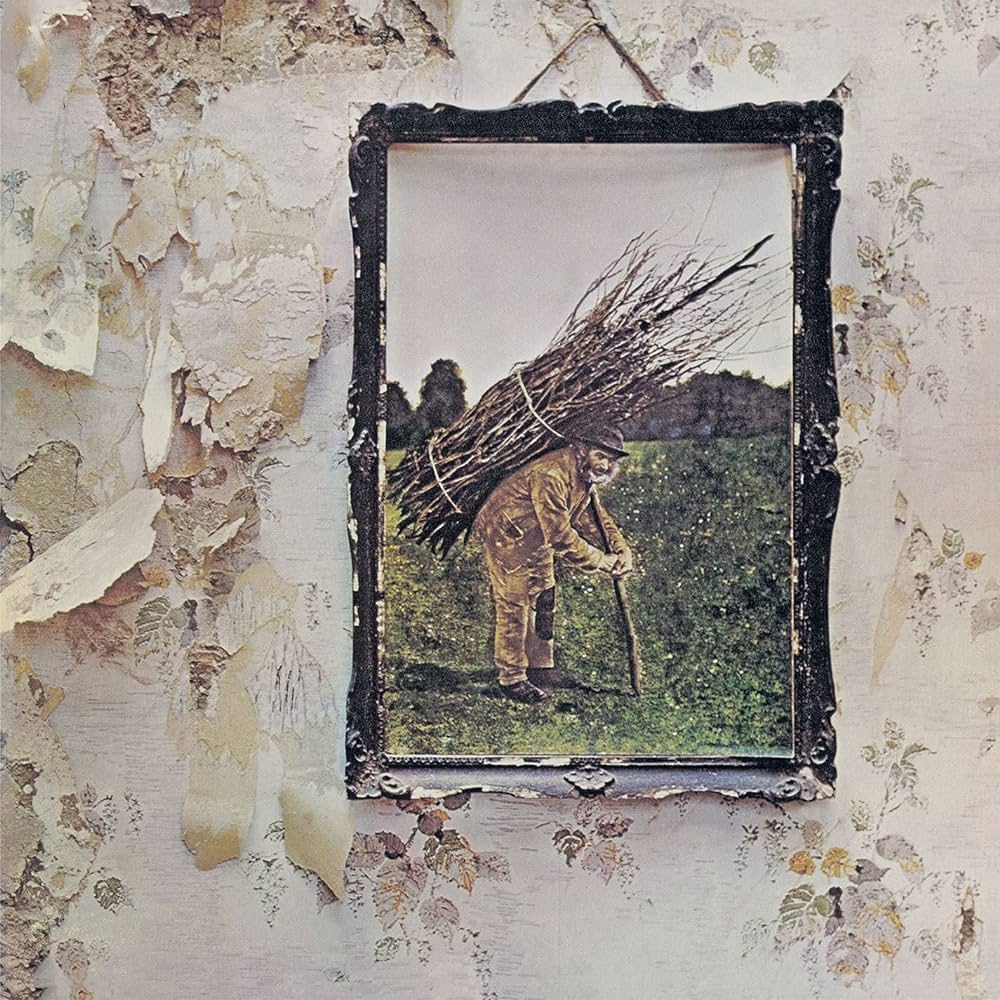
Since I’m not going to recommend their whole discography, the record I’m picking today is the one I plan on buying on vinyl as well – Joy in Repetition, a “Best Of” compilation they just released in late 2025. “I Feel Better” is probably the first one I’ve heard from them. At 2AM, watching that weird video, you’d also think there was something in the champagne.
Song’s got everything: synths, beats, steel pan drums… and features one of the best lyrics ever: “Everything’s nothing and nothing is ours.”
Another banger is “Over and Over”, a straight-forward synth-pop / dance number, with grungy vibes, featuring a varied instrumentation and some absolutely fun, repetitive hooks. Like a monkey with a miniature cymbal. This one’s the song that should complete any party playlist.
And this one’s the ballad that’s still a fantastic hit but it’s clearly more melancholic. Beautiful lyrics and dreamy atmosphere, easily brings nostalgic feelings that you never knew you had. Obviously, I’m no Anthony Fantano, I’m a very weak music critic. Music is a major part of my life but my critic’s scale has about 5 notches; beyond that I can only say “this band makes me feel glittery and happy”. Which is enough for me.
2. Paperback

I was reminded recently of Karl Ove Knausgård’s books, and how I haven’t finished his “Min Kamp” series – yes, he really titled his autobiographical series like that. It’s a controversial backstory of how the books came about and what reverberations they had in his life and family. But I’ll leave it to the reader to fall down that rabbit hole. For now, I’ll just mention it and recommend it.
Reading his “autobiography” feels less like a novel and more like having someone’s raw sensory data inputted directly into your brain. It is a highly detailed simulation of consciousness and life’s minutiae, compressed into paragraphs which refuse to blink. It’s like a fried food feast – easy to take in, harder to digest.
Treating simple events, like pushing a stroller while craving a cigarette, or cleaning a hoarder’s house, with the same weight as a Greek tragedy, reminds you how everyone has their own struggles, large and small. Simple acts that can be reduced to a sentence by someone else become infused with more life and weight than you would expect. It’s a bit like slow cinema – simple moments left to linger so you can absorb them, showing the weight behind the terrifying continuousness of simply existing in a place or time.
The caveat in this recommendation is also the selling point – it’s an exercise in attention and endurance, a literary analog to slow living where the slow can be excruciating but necessary for the accumulative payoff.
3. Lens
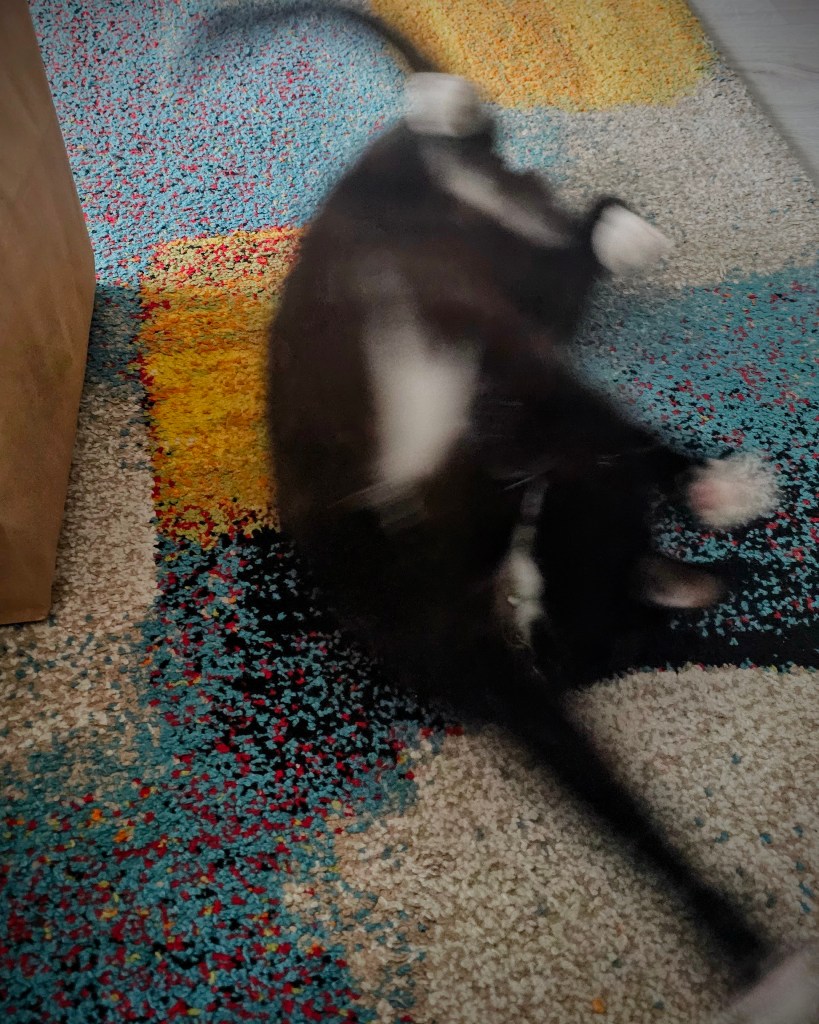
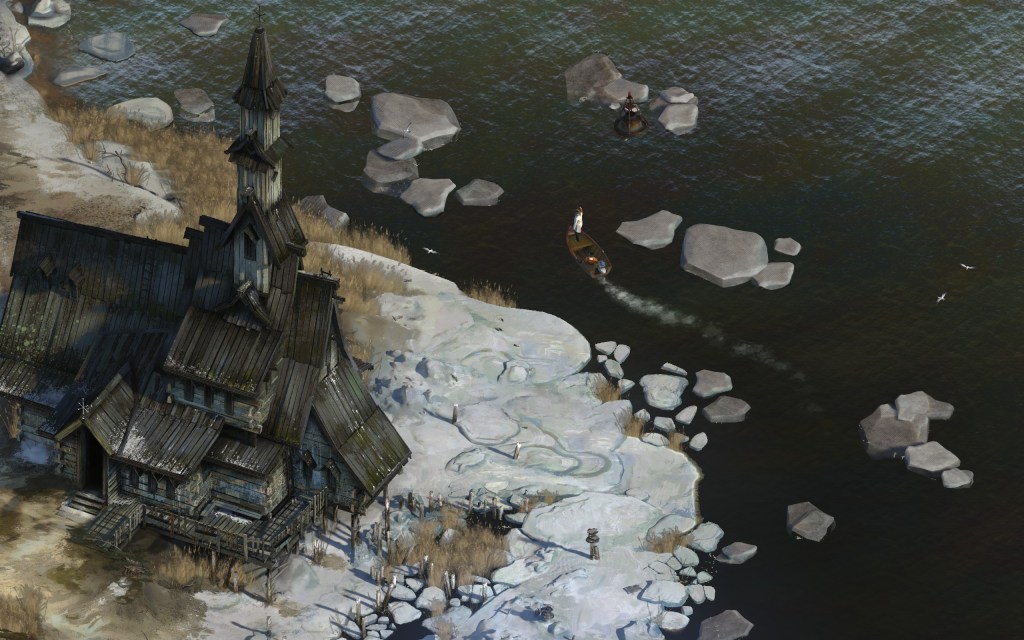
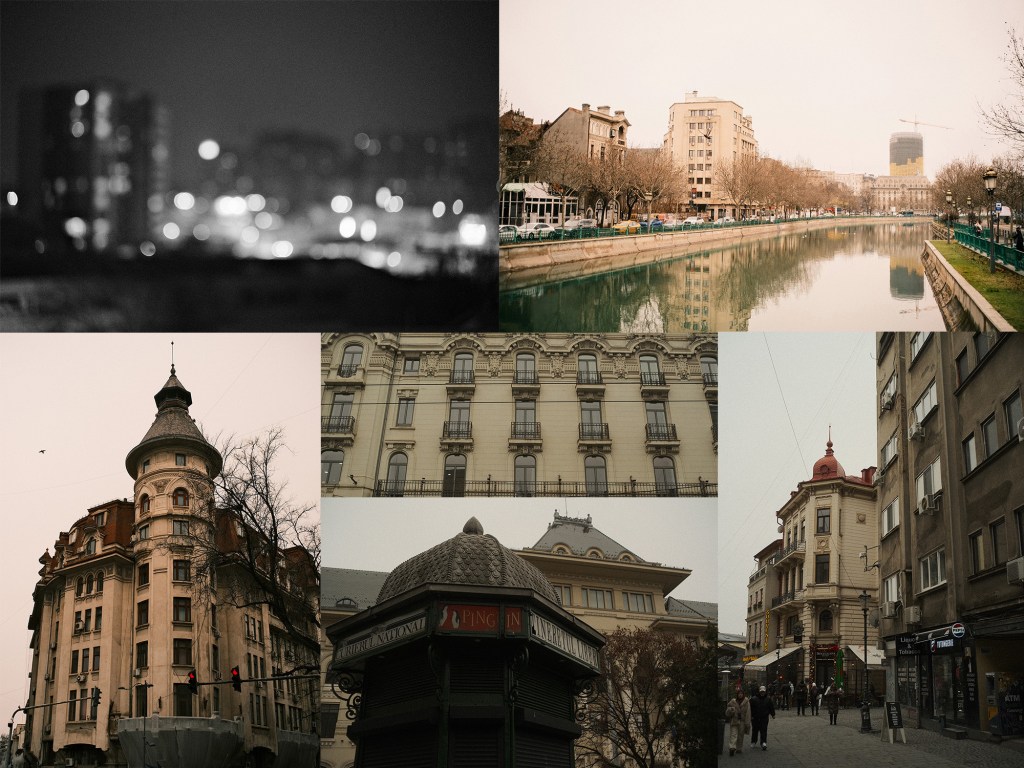
I believe this snapshot is self-explanatory.
4. Film
Last year I’ve rewatched Guy Ritchie’s “Sherlock Holmes”, a very fun pastiche of Arthur Conan Doyle’s most famous character. This isn’t about that. It’s also not about Moffat’s terribly pretentious version (hbomberguy already cleared up how garbage it is).
My favourite Sherlock Holmes, which I have been re-watching the past couple of weeks is Jeremy Brett’s version. Clean, detailed, humorous, faithful to the stories and definitely not as dark and brooding or… borderline autistic as some versions have been.
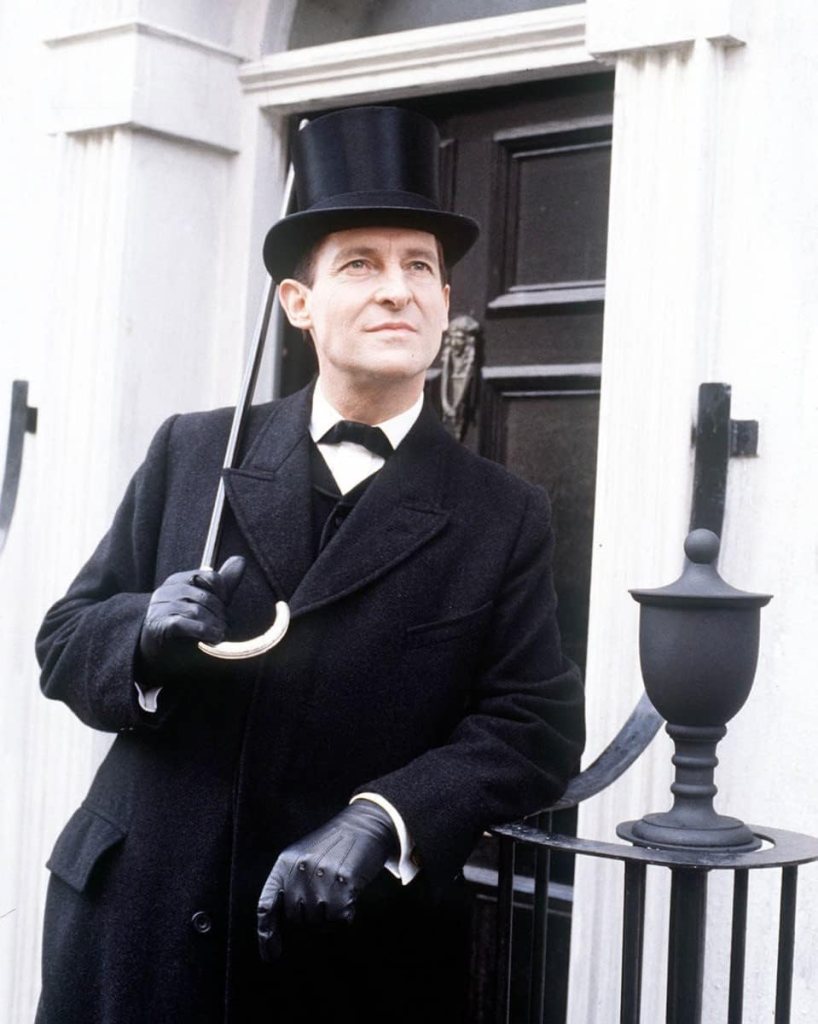
It’s an absolute delight to watch these stories done so faithfully to the original. And John Watson’s not a blundering fool, like in Moffat’s version, he might not be on-par with the legendary detective but he does match him at times and is a helpful and enthusiastic sidekick. Unfortunately not all stories have been recreated as Jeremy Brett passed away before the entire run could be completed. But if you want a slow-paced but detailed and accurate Sherlock Holmes, the entire series is available on YouTube.
I’ve also watched Casablanca, which was a testament to good writing and fantastic pacing and classic film-noir acting. And for the opposite of that, I’ve watched Midsommar, which was a long-winded testament to mediocrity that promised a lot but didn’t go anywhere but was nice to look at three-fucking-hours.
5. Discovery
Originally, it was a term used by Derrida to describe how, after the fall of the Soviet Union, “capitalism” had “won” over communism, yet the ideas of Marxism never went away completely, haunting us. Marxism thus is neither dead or alive, but it still remains within critiques of capitalism, ideas of social justice and ideals of equality. As such we are living in a fractured present, where the past and the future crash into our fragile present. To properly bury it we owe it and owe it to ourselves to have a dialogue with this ghost and see how we can move on.
It’s a fascinating idea which I’d love to explore more in Derrida’s writings, but for now I’ll mention that hauntology has been used in other fields as well, such as art or music. Specifically it means we are still “haunted” by old aesthetics, rehashing them over and over; examples being musicians who sample older works, or fashion making old aesthetics trendy again. Nostalgia is a powerful emotion but this kind of recycling stops us from moving forward by constantly dredging up the past.

If you take a look around you, there are definitely objects around you which carry with them the spirit of past times which no longer exist. While typing that I noticed this “Korken” water bottle from IKEA which is a few years old but with its retro style it wants to remind you of some of grandma’s syrup bottles from her pantry with wooden shelves, even though I’m using it to drink filtered tap water…
Adam Curtis did a recent podcast where he didn’t specifically mention hauntology, but his idea about AI is very similar to what Derrida mentioned about Marxism. To sum up Curtis’ idea: what AI does is store and analyze massive amounts of past data (text, images, video etc), jumbles it up with its algorithms, and serves it to us in a rehashed form. This isn’t evolution, it’s just bringing up the ghosts of the past over and over. The point being, AI isn’t the future, it’s just stagnation, the last obstacle before we can move on to the real future.
6. Fractures
This section usually concerns “The glitch in the system” so to speak. On what to focus? The death of ownership with everything getting behind subscriptions? Everything becoming an app on your phone instead of simple websites or services? The increase of monopolies where something like the “Fairphone” almost seems a rebelious act? The decrease of analogue/dedicated items, where everything must be done online and even a restaurant’s menu has become another reason to be on your phone? The AI pushed into everything without any noticeable value added to your routines or workflow?
For today it’s all of these. Corrosive trends that attack your wallet, attention, social life, interaction with the world arround you. It’s hard to resist these things, especially as an individual. So be a pirate 🏴☠️, be a clippy, don’t enage, don’t give them your money or attention, become more knowledgeable of tech, make your own home server, do your own research instead of relying on AI, use alternative search engines, make your shit private… For anyone who has been on the internet since the 90s, the downward trend is obvious and the lie that “it’s easier for the user” is becoming more bold-faced by the day.
7. Loose Page
I watched a beautiful documentary recently: The Arc of Oblivion. A filmmaker’s impractical attempt at making an Ark in his backyard to contain all his hard-drives and archives, which in parallel discusses why we make archives, build collections or try to leave a legacy and a mark upon this world. Are most things archives of some sort? Can we make an impression? Is it worth the effort when we consider how ephemeral everything is, including our civilization, planet, and universe?
It’s great food for thought. My opinion goes back to the philosophy of Camus:
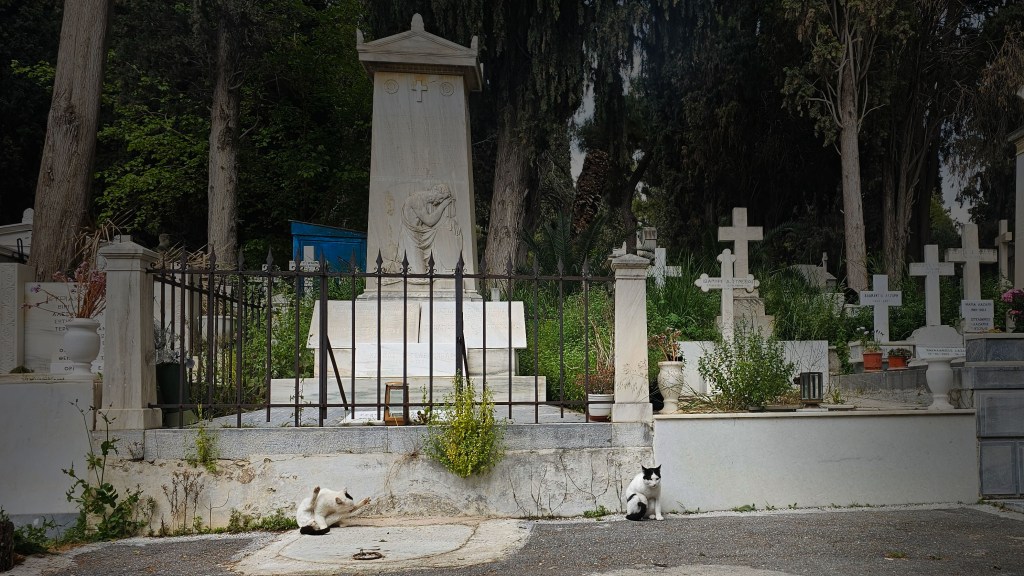
yes, everything is irrelevant, our existence is absurd, our time is short and insignificant, so just make the best of it and laugh at how ridiculous it all is. If you think that’s silly, I’ll leave you with a photograph. I’ve been through quite a few ancient cities, cemeteries and monuments, all works that symbolize in one way or the other our attempt at defying the passage of time. There hasn’t been one where a cat wasn’t there, not caring about it one bit, using the marble and granite as a good place to lick its crotch. That’s our legacy.









 Seb's Web
Leave a comment